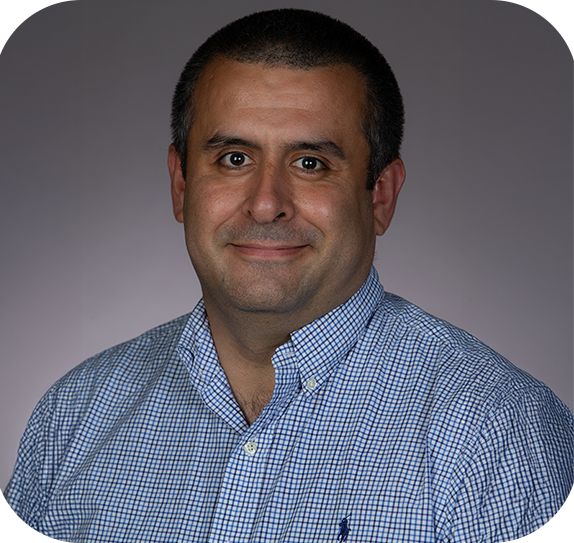
 Dr. Kiril DimitrovSouthcentral Representative, Region 4 (Term: 2025-2028)
Kiril Dimitrov, DVM, MS, PhD, joined TVMDL in 2019 as the Virology and Molecular Diagnostics Section Head at the TVMDL-Amarillo location (now Canyon). In 2020, Kiril relocated to College Station and was tasked with the Virology Section Head role. In 2021, Kiril moved to the position of Assistant Agency Director for Microbiology and Research, overseeing the agency’s Bacteriology, Molecular Diagnostics, Serology, Virology, and Research sections in College Station and Canyon. Kiril currently serves as the Agency’s Associate Director. Back to our teamBack to our team |
Latest News
 AAVLD Exclusive app for registered attendees of the AAVLD 68th and 129th USAHA Annual Meeting in Aurora Colorado. AAVLD and USAHA welcome 1200+ colleagues to address the latest issues in animal health, learn about the latest research and information in disease eradication and control, and network with federal and state animal health officials, laboratory directors, industry representatives, diagnosticians, researchers, other leaders in animal agriculture.
______________________________________________________________________________________________________________________________________________________________________________________________________________________
Veterinary Laboratory Support to the Public Health Response for COVID-19
TESTING OF HUMAN DIAGNOSTIC SPECIMENS IN VETERINARY LABORATORIES